
Myths and Truths About Hair Transplants: What You Need to Know
Discover everything you need about hair transplants and learn to distinguish myths from facts on this topic.
ler mais
A hair transplant in October can be a strategic choice for anyone who wants to start their hair restoration in autumn and reach the following summer with results already visible.
What if next summer you didn't have to hide a receding hairline or thinning hair? After all, your hair is part of your image, of how you see yourself and, very often, of the confidence with which you face the world. However, you can't press a button today and wake up tomorrow with a full head of hair! Follicles need time to heal, re-enter the growth cycle and produce new hairs. And that is precisely why a hair transplant in October can be a smart decision to start preparing today for the hair you want to show off tomorrow.
Read on to find out how to perfectly align your body's clock with the phases of follicular regeneration!
Although there is no set season for a hair transplant (the procedure can be carried out all year round), a hair transplant in October has some favourable features: the intense heat starts to fade, sun exposure tends to be lower and temperatures are generally milder. These conditions make it easier to follow some important aftercare steps during the first few weeks and can make October a particularly comfortable month to have a hair transplant.
A hair transplant is not suitable for everyone, nor should it be decided on simply because a particular time of year seems convenient. Before going ahead, a medical assessment is needed to understand the cause of the hair loss, evaluate the donor area, analyse the extent of the hair loss and determine whether the conditions are right for a natural, long-lasting result.
So, if you are considering a hair transplant in October, start by asking yourself this question: “Is this the right solution for me?”
A hair transplant in October can bring some practical advantages, especially when the weather is milder and your scalp can benefit from more comfortable conditions during recovery.
Mild temperatures and protection from UV rays
Heat, excessive sweating and direct sun exposure can make some of the necessary aftercare more difficult during recovery. So, if you have a hair transplant in October, you won't have to deal with the scorching heat of peak summer, or with sweat that can irritate the recipient area or encourage infection.
Back to your daily routine
In October, the sun no longer calls the shots quite so much. The days get shorter, temperatures drop and daily life moves back indoors – to the office or at home. On top of that, your autumn wardrobe can give you a helping hand, should the medical team allow you to wear a hat or beanie.
The perfect opportunity to plan your time off
If you schedule your hair transplant in October, you can make the most of long weekends or plan your days off at your leisure. That way, when Christmas and New Year come round, you'll already be halfway through your transformation – rather than constantly thinking about how to hide your hair loss.
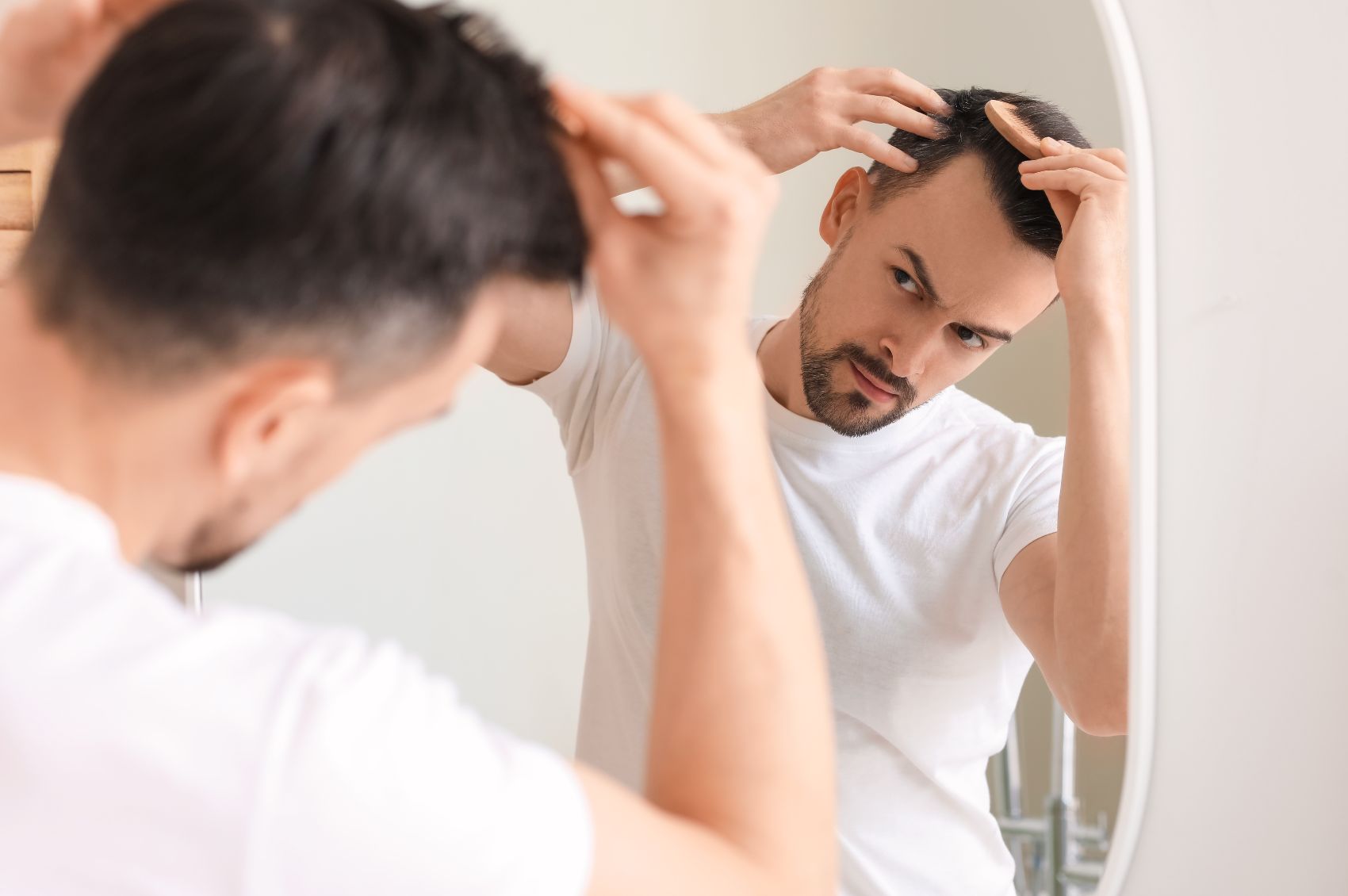
Eager to know when you'll start seeing new hair? Well, the answer varies from person to person, but there is a typical timeline after a hair transplant in October:
The scalp is healing. Redness, swelling or small scabs may appear, all of which are part of the normal process. During this period, it is essential to follow medical advice strictly, avoid touching or scratching the transplanted area and protect your scalp.
Something may happen that will alarm you: the transplanted hairs start to fall out. But don't worry! It doesn't mean the transplant has failed – this shedding is part of the process, and the follicles remain in the scalp, ready to begin a new growth cycle.
New hairs may start to appear, finer at first but gaining thickness and density over time. This is when a hair transplant in October truly begins to reveal its potential!
Booked a hair transplant in October? Be prepared to give your scalp some extra attention in the first few weeks, following these aftercare steps to support a good recovery and prepare your hair for the months ahead:
Sounds like a lot? In fact, this aftercare is only temporary and… let's face it: a few months of patience can be well worth it when the goal is to feel confident in the mirror again.

In October, summer still feels a long way off. But transplanted hair needs exactly that time to grow, gain thickness and gradually reveal the result. So, if every year the warm weather arrives and you feel like hiding your hair, perhaps this is the moment to do something different: next summer can begin with a decision made in October!
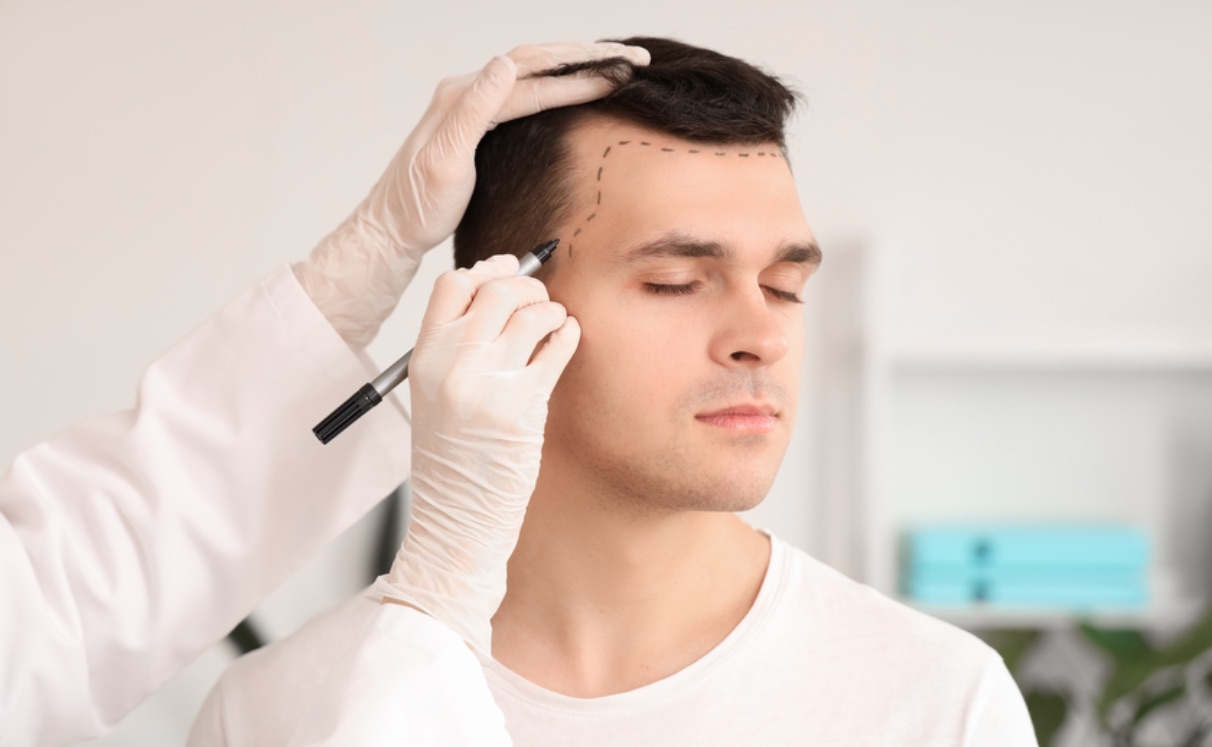
At Master Group, we use the FUE hair transplant technique, which involves extracting the follicular units one by one from the patient's donor area and placing them in the area(s) that need restoring.
Still have questions about a hair transplant in October? Read the answers to our patients' most frequently asked questions!
Yes. A hair transplant in October is a good option – it can be carried out successfully and, in many cases, benefits from milder temperatures and lower sun exposure. However, the best time always depends on the medical assessment and on your ability to follow the post-operative aftercare correctly.
Growth is gradual. After an initial phase in which the transplanted hairs may fall out, the first new hairs usually start to appear around 3 to 4 months later. Density increases progressively and the final result can be seen after approximately one year.
Yes, shock loss can occur in the weeks following a hair transplant in October. It is the temporary shedding of the hair shaft, while the follicle remains strong beneath the skin to produce new hair.
After a hair transplant in October, protect your head from direct UV radiation, avoid friction, take the prescribed medication and follow the washing protocols recommended by the medical team.
Transplanted follicles come from a donor area that is generally more resistant to the effects of androgenetic alopecia. As a result, transplanted hair is permanent. Even so, the non-transplanted hair may continue to fall out, so it is important to assess whether complementary treatments are needed.
In most cases, the following summer is well beyond the initial recovery period. Even so, you should follow the medical team's advice regarding sun exposure.
There is no universally better season. A hair transplant in October may be more comfortable for some people due to the moderate temperatures and lower sun exposure. However, the deciding factor should be the medical assessment, together with your willingness to follow the necessary aftercare.
The best time depends on the patient's characteristics, the degree and progression of the hair loss, the quality of the donor area, expectations and the ability to follow the post-operative aftercare. So, rather than looking for the best season for a hair transplant, it is more important to find the best time for you – and October may well be that time.
Spring is not a bad time to have the procedure. But since hair works to its own calendar, if your goal is to reach next summer with a visible improvement, putting off the decision again and again also means putting off the start of the recovery and growth process. A hair transplant in October lets you start earlier, get through the initial recovery phase during months with generally more moderate temperatures and give the follicles time to begin their new growth cycle.
Thinking about next summer? If the mirror has been showing you something you'd rather not see for a while, perhaps it's time to look to the future differently.
At Master Group, FUE hair transplants are performed by an experienced medical team, with a personalised approach and support throughout the process. Because restoring your hair can also mean restoring some of the confidence you lost along the way!
Discover everything you need about hair transplants and learn to distinguish myths from facts on this topic.
ler mais
Hair transplantation in Portugal is a minimally invasive surgical procedure that helps restore hair growth, making it stronger and healthier.
ler mais